
Have you ever found yourself doing something simply because you love it? Something that makes you lose track of time, sparks your imagination, and gives you a sense of accomplishment?
For me, that has always been creating art.
Now do I think I am some great artist? No. And to be honest, confidence in my work is something I need to grow in. But that is a mountain to climb on another beautiful day.
What started as a creative outlet and a way to spend my time making things with my hands has slowly grown into something more. I’ve always loved the idea of taking an idea, putting a little creativity behind it, and turning it into something tangible that someone else can enjoy.
Eventually, I started wondering: What if I could turn something I love into something more?
That’s where the idea of starting a small creative business began.
Finding Something You Love
I think one of the most exciting things about having a creative hobby is the freedom that comes with it. You can experiment, make mistakes, try new things, and create simply because you enjoy the process.
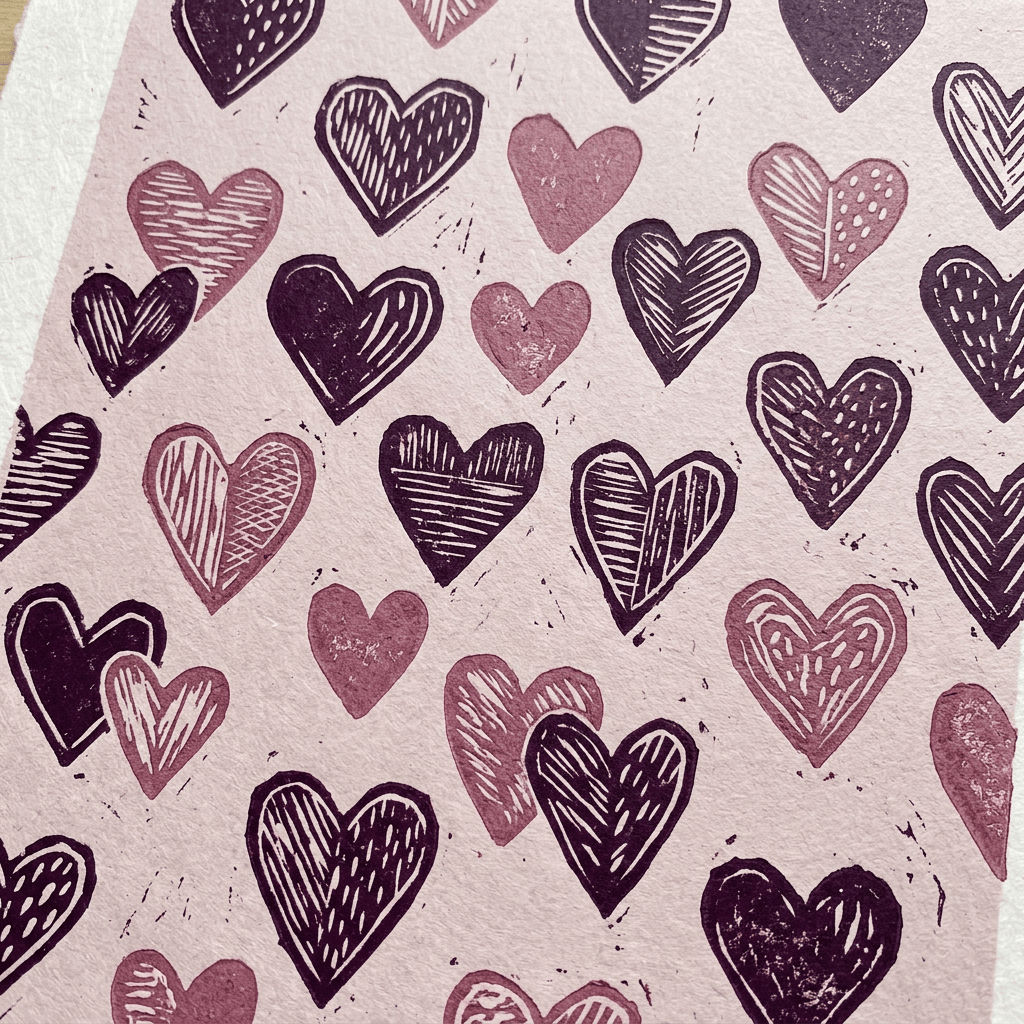
For me, that creativity has taken the form of handmade art, linocut prints, cards, and other paper goods.
There’s something special about making something by hand. From the first sketch to carving a design and finally seeing it printed on paper, every step has a little piece of you in it.
And while I never started creating with the intention of making money, I began to see the possibility of sharing that work with others.
I realized that something I enjoyed making might also be something someone else would enjoy owning.
Turning an Idea into a Business
One of the biggest steps in turning a hobby into a business is changing the way you think about what you create.
Instead of making something just for yourself, you begin thinking about who might enjoy it, how you could share it, and what it would take to sell it.
That can feel a little intimidating!
There are so many things to consider: pricing, packaging, photography, marketing, shipping, and figuring out where to sell your products.
It’s easy to get overwhelmed by everything that goes into running a business, especially when you’re starting from scratch.
But I’ve come to realize that you don’t have to figure everything out before you begin.
You can start small, learn as you go, and make improvements along the way.
You Don’t Need a Huge Budget to Get Started
One thing that can hold people back from starting a small business is the idea that they need a lot of money upfront.
The truth is, you can begin with what you already have.
If you have supplies, tools, or materials from your hobby, consider how you might use those to create your first few products.
You don’t necessarily need a fancy studio, expensive equipment, or a large inventory.
Some simple ways to get started include:
- Start with what you have: Use your existing supplies before investing in more.
- Create a small collection: Focus on a few products rather than trying to offer everything at once.
- Take your own product photos: Natural lighting and a simple background can go a long way.
- Use free marketing tools: Pinterest and social media can help people discover your work.
- Keep track of your expenses: Even a simple spreadsheet can help you understand what you’re spending and earning.
Starting small doesn’t mean thinking small. It simply means building something sustainable at a pace that works for you.
Learning the Business Side of Creativity
Here’s something I don’t think we talk about enough: being creative and running a business are two very different things.
You might love making beautiful things, but running a business also means learning how to price your work, communicate with customers, manage orders, and keep track of finances.
It can be a learning curve!
One of the most important things I’ve learned is that handmade products have value beyond the materials used to make them.
Your time, creativity, experience, and effort all matter.
It’s important not to undervalue your work simply because you enjoy making it.
Learning to treat your creativity as something valuable is part of the process of becoming a business owner.
Embrace the Learning Process
I think one of the biggest misconceptions about starting a business is that you need to have everything perfectly figured out before you launch.
You don’t.
You will make mistakes. Some ideas will work better than others. You might create something you absolutely love that doesn’t sell, and you might be surprised by what customers gravitate toward.
That’s all part of building something.
Instead of focusing on having everything perfect, focus on making progress.
Try new products. Learn new skills. Pay attention to what people respond to. Make adjustments when something isn’t working.
Every little step teaches you something.
And don’t forget to enjoy the creative side of it, too. You started doing this because you loved it. Don’t let the business side take away all the joy of creating.
Creating Something of Your Own
For me, turning a creative hobby into a small business is about more than making sales. It’s about having the opportunity to build something of my own, share the things I make, and see where a little creativity can lead.
I know there will be challenges, plenty of things to learn, and probably a few mistakes along the way.
But I also know that I don’t want to look back and wonder what might have happened if I had never tried.
If you’ve been thinking about turning your own creative hobby into a small business, consider this your reminder that you don’t have to wait until everything is perfect.
Start with what you have. Make something you love. Take that first step.
You never know where it might lead.
Here’s to creating something meaningful, learning along the way, and building something one little step at a time.


Leave a Reply